Who we are
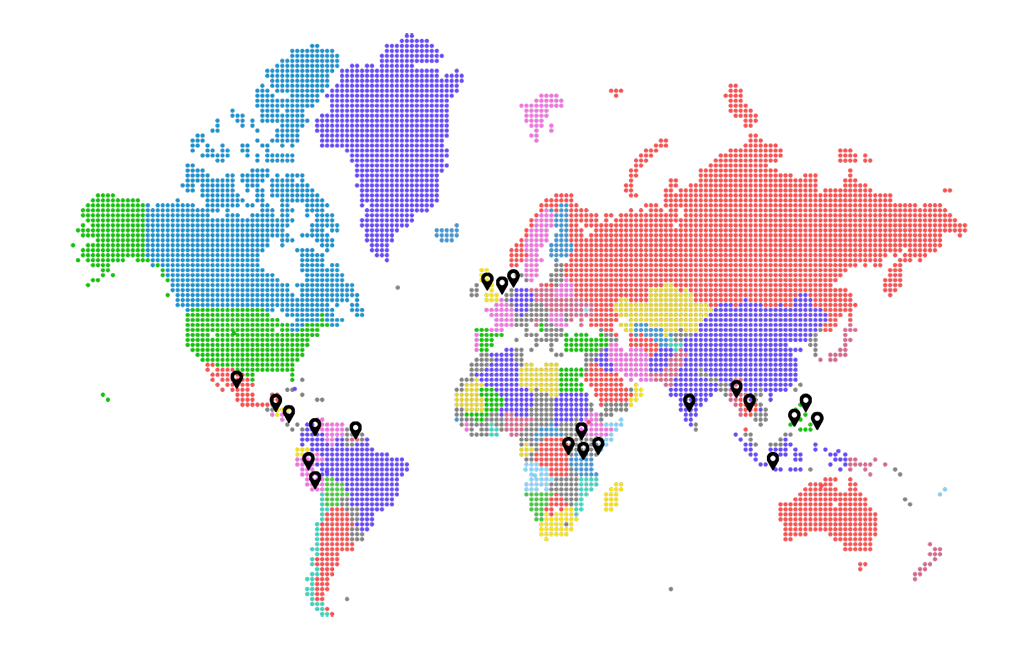
ILED connects grassroots Indigenous organizations and supports partners across Africa, Asia, and Latin America. Through peer learning, collaboration, and advocacy, the network supports community-led education that revitalizes Indigenous languages and knowledge systems.
At its heart, ILED recognizes that Indigenous communities hold deep knowledge, resilience, and expertise: knowledge that centuries of exclusionary policies have too often eroded. The network promotes educational models that do more than improve learning outcomes: they strengthen cultural identity, intergenerational knowledge transfer, and community well-being.
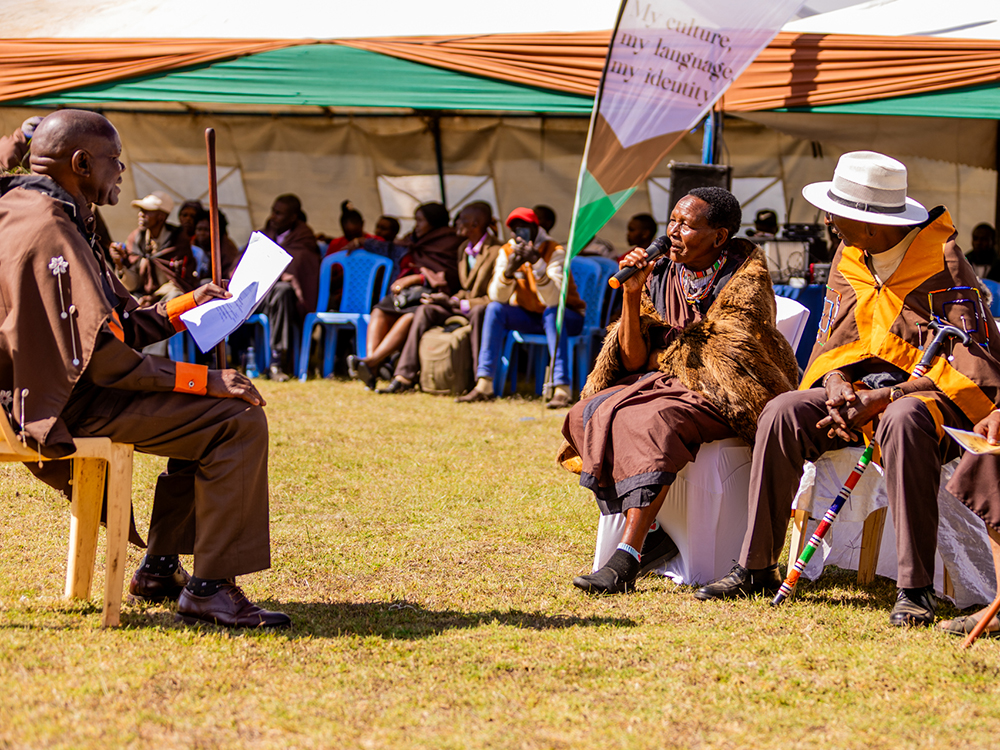
ILED's members work across diverse cultural and geographic contexts, but share one commitment: strengthening Indigenous self-determination through education. The network brings together Indigenous educators, funders, researchers, and other allies to make sure that education remains connected to local languages, histories, and realities.
ILED offers a shared entry point: inviting funders, policymakers, and practitioners to work alongside Indigenous organizations, strengthening Indigenous-led institutions and empowering communities to build their own sustainable futures.
Why Iled
A precious resource
Indigenous communities sustainably manage over 500 million hectares of forest (WRI). Their knowledge and practices are increasingly recognized as vital to biodiversity conservation and climate resilience (Kunming-Montreal Global Biodiversity Framework; IPCC, 2019) — but remain little supported.
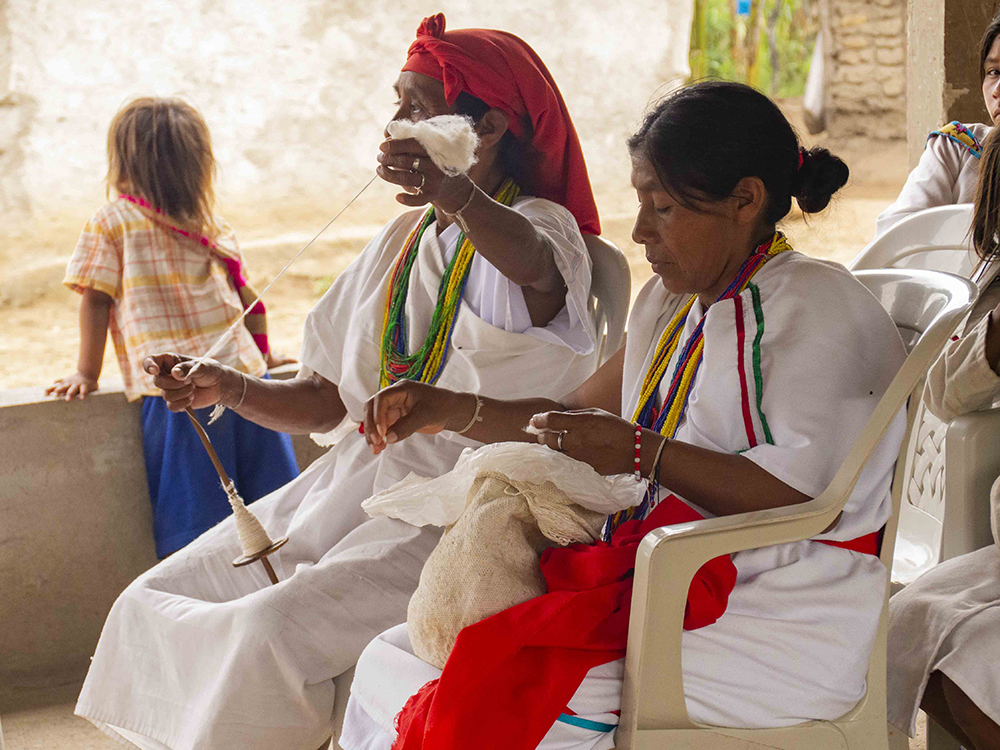
Passing this knowledge from one generation to the next preserves languages, cultural identity, and systems of ecosystem stewardship that have sustained communities for centuries. Indigenous languages and oral traditions carry sophisticated knowledge of forests, wetlands, rivers, and biodiversity — including medicinal plants, seasonal cycles, seed varieties, and water management practices now critical for climate adaptation and food security.
This knowledge lives within customary institutions that govern land, water, and resources: regulating sustainable harvesting, safeguarding sacred sites, and strengthening community resilience against climate change and environmental degradation.
A resource at risk
Indigenous communities face growing pressures: land grabbing, extractive industries, rights violations, and climate change are all driving food insecurity, water scarcity, and insecure land tenure. Many youth see no option but to migrate to more insecure, exploitative environments, which accelerates the erosion of language, culture, and local leadership.
As Indigenous languages disappear, so does the ecological and climate knowledge encoded in their idioms, songs, and stories — much of it untranslatable into dominant languages. This is not only cultural loss, but the loss of irreplaceable environmental knowledge the world needs.
ILED's response
Established in 2020, the Indigenous-Led Education (ILED) network brings Indigenous organizations and support partners together to sustain Indigenous knowledge, language, culture, and institutions: the foundations of youth empowerment and community resilience.
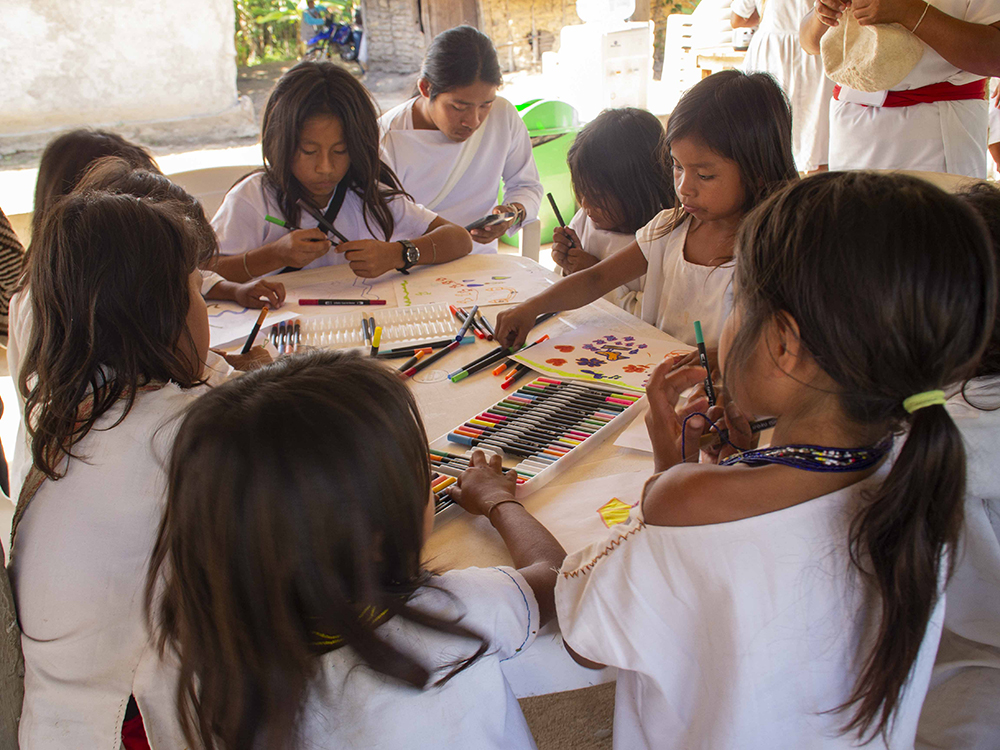
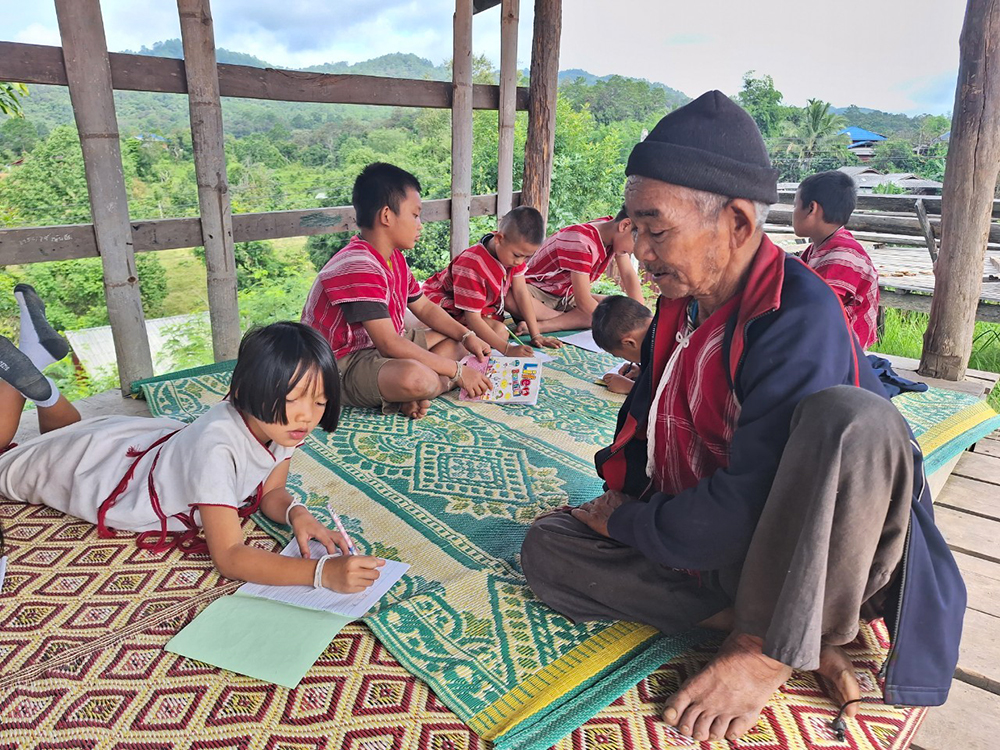
ILED centers education as the way this knowledge passes to younger generations, through both community learning and formal schooling. It helps Indigenous youth value their heritage while building the skills to navigate contemporary challenges and create sustainable opportunities rooted in their own traditions. Above all, it strengthens young people's pride, identity, and belonging — and their path into leadership.
What we do
The ILED approach centers Indigenous youth, women, and community leadership, recognizing young people as carriers of traditional knowledge and shapers of their communities' futures, and women as primary custodians of that knowledge: from medicinal plants and seed systems to healing practices and intergenerational teaching. Strengthening their leadership is key to cultural continuity and resilient futures.
We support this through four programmes
Small Grants
Small grants for Indigenous-led education initiatives, helping communities implement their own priorities for language and knowledge transmission, whether through formal schooling or out-of-school community initiatives.
Indigenous Youth Fellowships
Supporting young people as agents of change. Building leadership skills while deepening their connection to traditional knowledge.
Janaki Amma Indigenous Women as Educator Award
An Annual Award recognizing Indigenous women educators who sustain cultural practices and advance education within their communities.
Knowledge Exchanges
In-person and online exchanges between network partners, including indigenous women's exchanges, to share practices and strengthen collective learning — recognizing women as key agents energizing collective care for health, territory, and biocultural memory.
ILED’s governance
Guided by transparency, accountability, decolonial values, and Indigenous leadership.
Funding: small grants, youth fellowships, women educator awards and learning exchanges. Please contact your region’s facilitator to access the application forms.
Membership: those supporting ILED Theory of Change; Indigenous communities eligible for grants and representation. Please contact your region’s facilitator if you are interested in becoming a member.
Secretariat: hosted by Rutu Foundation: manages coordination, fund raising, reporting, and outreach & Regional Facilitators.
Communication: bilingual newsletter, shared archive, safeguarding procedures for all activities.